
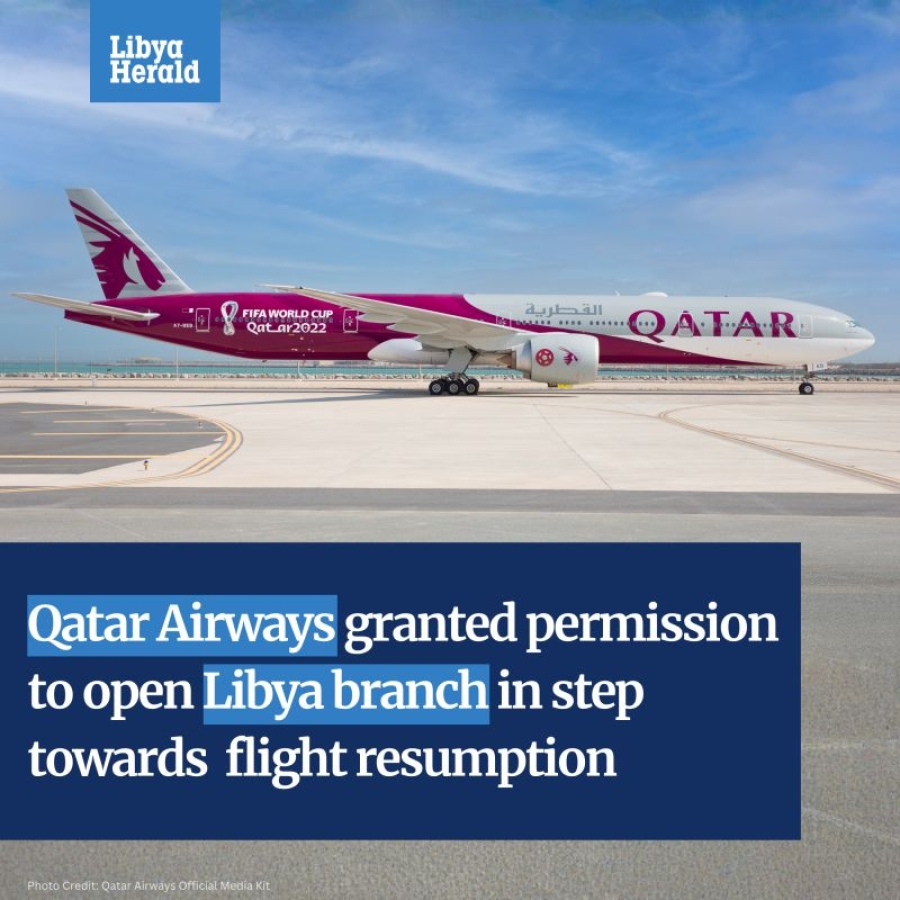
The Ministry of Economy and Trade has permitted Qatar Airways to establish a new branch in Libya, as preparations continue for the expected resumption of flights between Libya and Qatar.
The new Tripoli International Airport will open soon. The same situation in Benghazi, where the new Benghazi International Airport will be open by the end of 2026.
Located near the Teka area will handle a capacity of 15 million passengers.

Airlogistica Srl and its Libyan partner organize the 2026 edition of SPORTEX LIBYA on Sept.28th-October 2nd.The fair is the most important event for the sport and wellness sectors in the country.
For more information:
Alessandro Nozza Fair Project Manager This email address is being protected from spambots. You need JavaScript enabled to view it.ogistica.com www.gruppoairlogistica.com
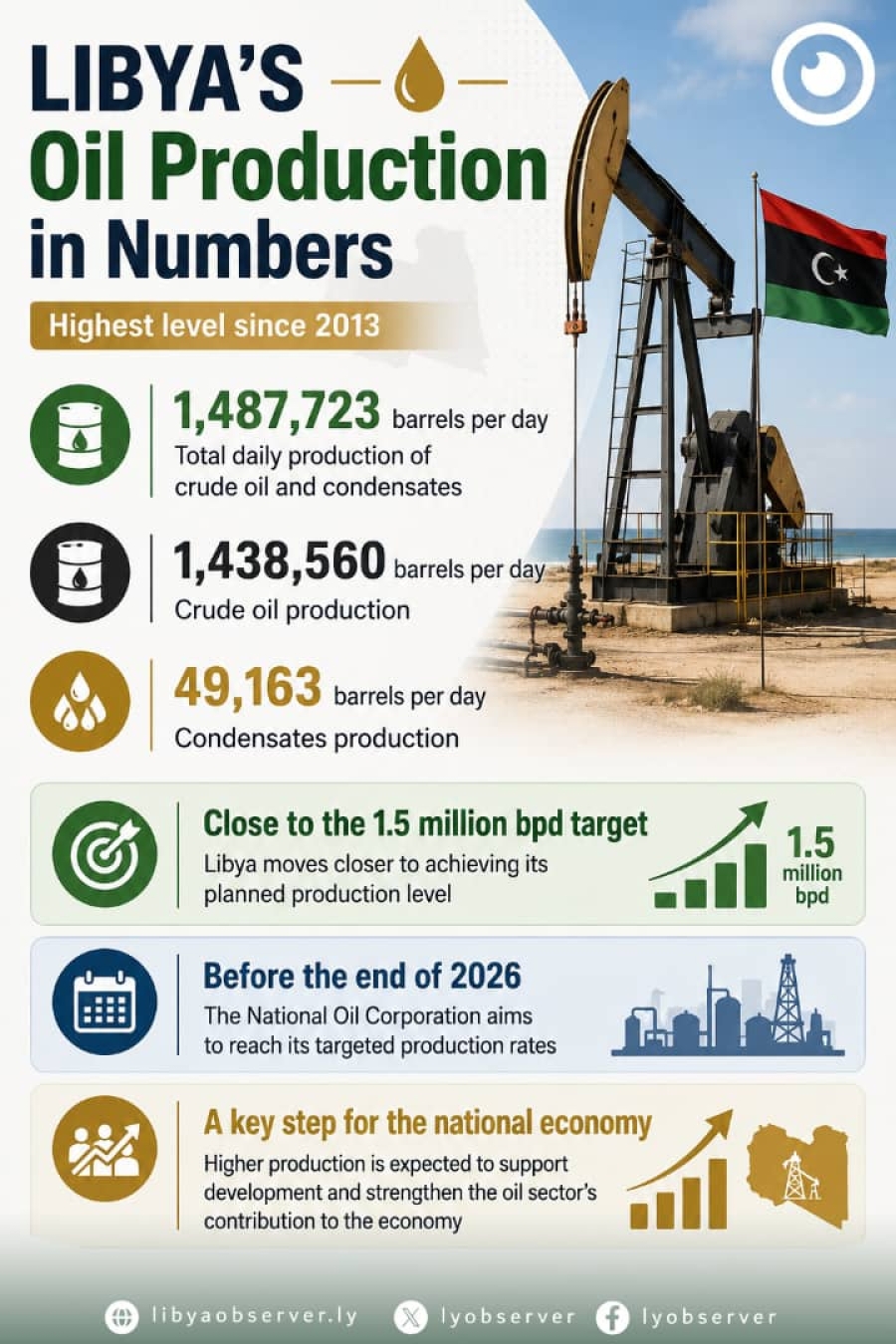
The oil production is constantly increasing in Libya.NOC,the National Oil Company wants to reach 1.5 million barrels of output by the end of the year.
Major oil companies and sector stakeholders are moving back to the country.
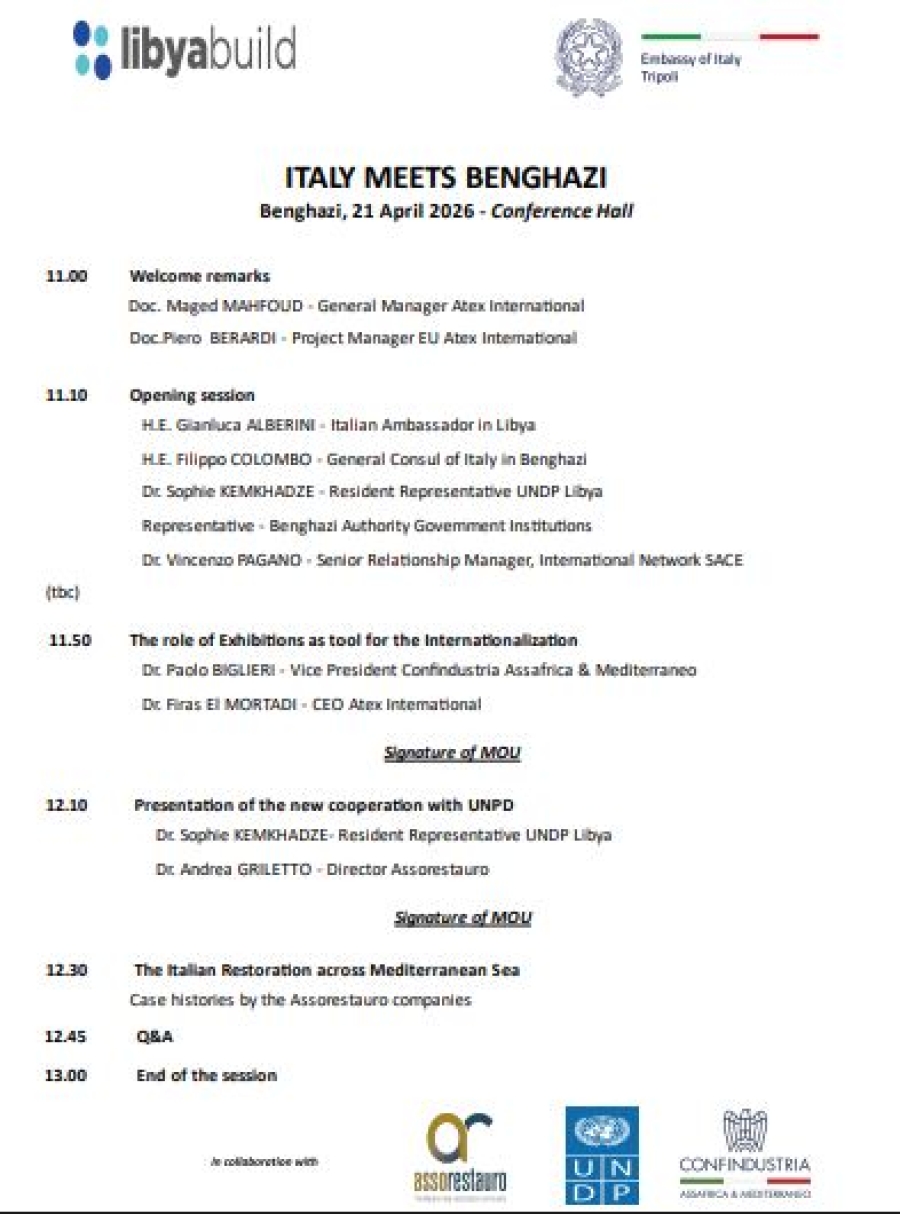
ITALY MEETS BENGHAZI.
Three weeks to 2026 Libya Build Benghazi.This edition will be an astonishing one, with a huge international presence of International companies.
Firas El Mortadi and Maged Mahfoud must be very proud of their project and results.This year,Atex celebrates its 25th anniversary. We met in 2006, and two young professionals started the Project.
As an Arabian Phoenix from the old logo FIERA di ROMA,they created the new brand LIBYA BUILD.
Today Atex International is one of the most important fair event organizer in the Middle East.
About Italy, more than 80 businessmen will join the event. Organization as Confindustria Assafrica&Mediterraneo represented by vice president Paolo Leonardo Biglieri and GM Patrizia Mauro will sign important cooperation MOU.
Also Assorestauro and the United Nations agency UNDP will sign an important MOU to develop restoration projects in the area.
Thanks to H.E. Gianluca Alberini, commercial attaché Fabio Giudice, and all the ICE Team supervised by Simona Autuori.
What else? Do not miss the chance to join us in Benghazi!
Piero Berardi
International Sales&Marketing Office
Blend Plants Italy
Project Manager EU
Atex International Tripoli
GOOD MUSIC FOR MY EARS!!!!!
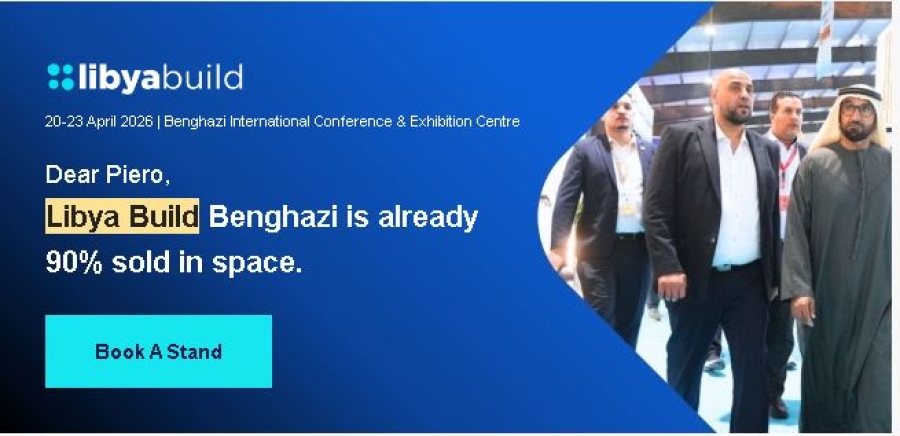
We are pleased to share that Libya Build Benghazi 2026 is now 90% sold out. The response from exhibitors this year has been exceptional, reflecting strong market confidence and growing demand in Libya’s construction and development sector.
If you have not booked your space yet, we recommend confirming soon to avoid missing out on this high-demand edition. Here's why you should exhibit:
Position your brand at the center of Libya’s next phase of growth.
Connect with top contractors, developers, and government buyers driving national projects.
Showcase your products, technologies, and expertise to a market ready for innovation.
Strengthen your network with international partners from the MENA construction community.
For more information:
Floriano Imperiali-Tatjana Matijevic
International Sales & Marketing Office
Atex Tripoli, Libya This email address is being protected from spambots. You need JavaScript enabled to view it.
www.libyabuildbenghazi.com
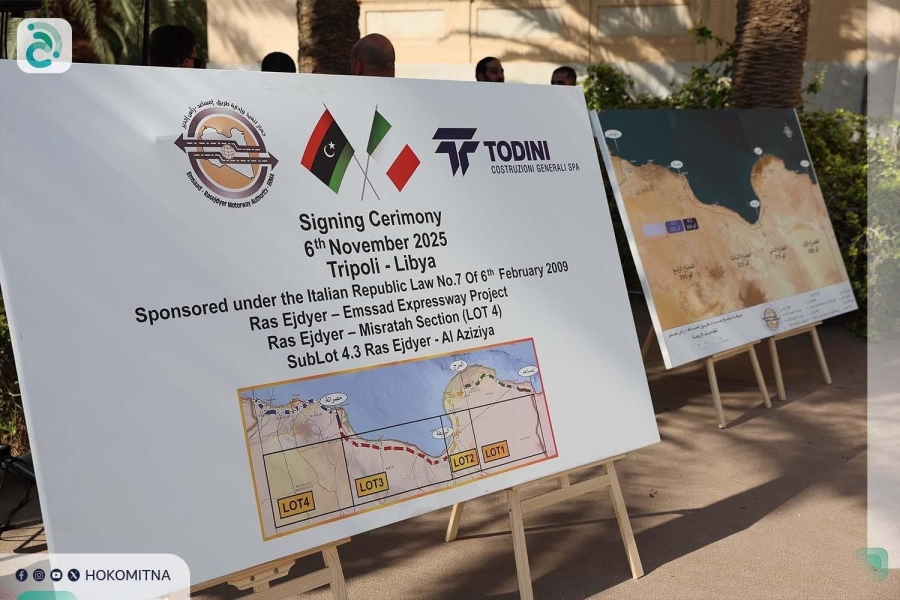
The official launching of the Emsaad–Ras Ajdair Highway project took place in Tripoli, following the signing of a contract for the implementation of subsection (4.3), extending from Al-Aziziyah to Ras Ajdair.
The financing of this strategic project comes under Italy’s commitments stipulated in the 2008 Friendship and Cooperation Agreement between the two countries, which had been stalled for more than a decade and a half. Todini Costruzioni Generali Spa has been appointed as general contractor
In his remarks on the occasion, Prime Minister Abdul Hamid Dbeibah said the project is not merely a transportation corridor but a “lifeline” stretching 1,750 kilometers, connecting Libya’s far east to its far west, and facilitating connectivity with neighboring countries across the Maghreb, Africa, and Europe.
Dbeibah explained that the first phase, covered by the signed contract, includes the construction of 160 kilometers of a dual carriageway.
Libya’s Hospitality Sector: Opportunities for Growth in 2026
Libya’s hospitality and food service industry is entering a period of significant growth and innovation, making it a prime market for businesses, investors, and professionals. The launch of HORECA Libya 2026, taking place from 4 to 7 May 2026 at the Benghazi Exhibition & Conference Centre, highlights the country’s potential and provides a platform to explore its evolving hospitality landscape.
A Growing Hospitality MarketFrom hotels and restaurants to catering services, Libya’s hospitality sector is experiencing increased demand for high-quality services and innovative solutions. The market is driven by a rising domestic appetite for hospitality experiences, expanding business tourism, and renewed investments in infrastructure and leisure development.
Innovation and Collaboration Events like HORECA Libya 2026 serve as a catalyst for innovation, allowing local and international brands to introduce new products, technologies, and concepts. By facilitating collaboration between businesses, service providers, and industry leaders, the event fosters an environment where innovation meets practical application, directly contributing to the sector’s growth.
Professional Development and Knowledge SharingHORECA Libya provides a unique opportunity for hospitality professionals to gain insights, attend expert-led discussions, and learn about global trends. From culinary innovation and F&B solutions to operational efficiency and customer experience, the event empowers industry players to implement best practices and stay ahead in a competitive market.
Positioning Libya as a Regional HubWith HORECA Libya being part of the acclaimed HORECA series, the event positions Libya as a key regional hub for hospitality and gastronomy in North Africa, attracting both local and international exhibitors, investors, and professionals. This third edition signifies a stronger commitment to the country’s hospitality ecosystem and highlights the opportunities available for growth, collaboration, and business success.
HORECA Libya 2026 is more than a trade show; it is a strategic platform for shaping the future of Libya’s hospitality industry
About Code Libya.
Igniting Libya’s Digital Transformation, One Code at a Time.
Code Libya 2026 is set to be Libya’s most influential and future-focused technology and innovation event. As a B2B and B2C platform, this show will connect startups, tech giants, investors, governments, and the public under one powerful ecosystem.
The exhibition will explore the latest innovations in AI, Cloud, IoT, Cybersecurity, Digital Cities, Fintech, EduTech, HealthTech, Telecom Infrastructure, and Climate/AgriTech. Designed to ignite Libya’s digital transformation and position Benghazi as a rising tech hub, this event will attract thought leaders, industry pioneers, and bold startups ready to scale.
For more information:
Tatjana Matijevic-Floriano Imperiali This email address is being protected from spambots. You need JavaScript enabled to view it. www.codeexpolibya.com
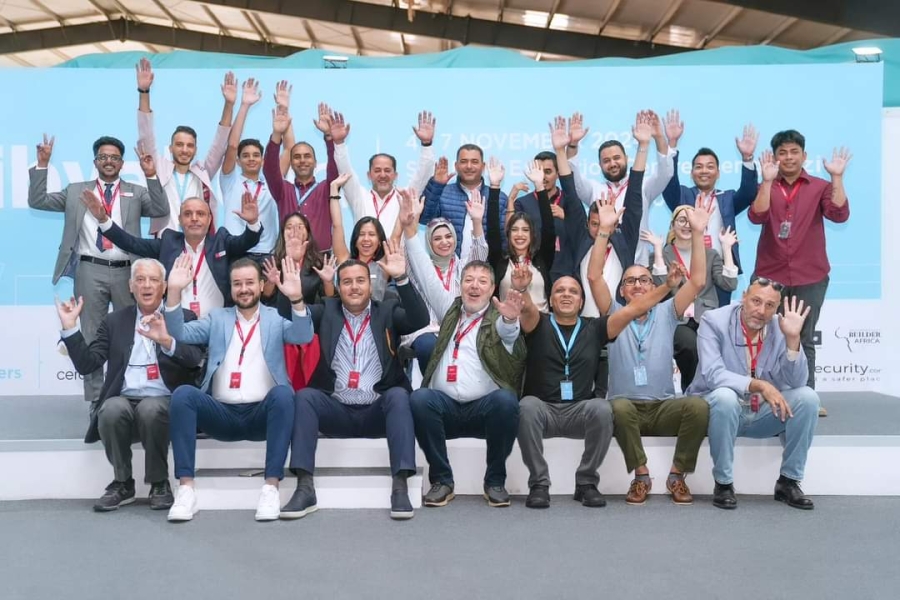
Libya’s Gateway to Construction and Design Excellence
Libya Build Benghazi 2024 wrapped up its 2nd edition with remarkable success, reinforcing its position as Libya’s leading building and construction event.
From 20 – 23 April 2026, the 3rd edition returns at the new Benghazi Exhibition and Conference Centre, uniting North Africa’s construction markets under one roof.
Expect 30,000 sqm of exhibition space, 300+ exhibitors, 1,000+ products, and 20,000+ visitors. This is your chance to connect, showcase, and grow.
Book your stand today and be part of shaping the future of construction in Libya!
For more information&application forms:
This email address is being protected from spambots. You need JavaScript enabled to view it.
www.libyabuildbenghazi.com
Khalifa Haftar and Hamid Dbeibah,nephew of PM Dbeibah met in Rome. They discussed about security in Tripoli.
More...
LIBYA TODAY....
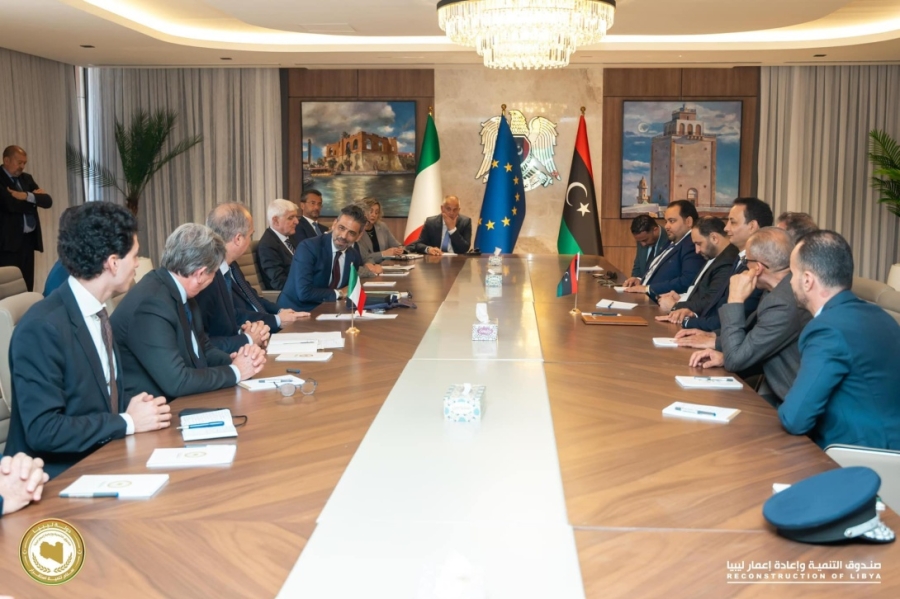
Good shot SISTEMA ITALIA!!!!
The representative of ITA Francesco Brescia and director general of the Libyan Development and Reconstruction Fund, Belqasem Haftar announced the resumption of direct flights between Benghazi and both Rome and Milan starting in June.
Courtesy of Libyan Observer
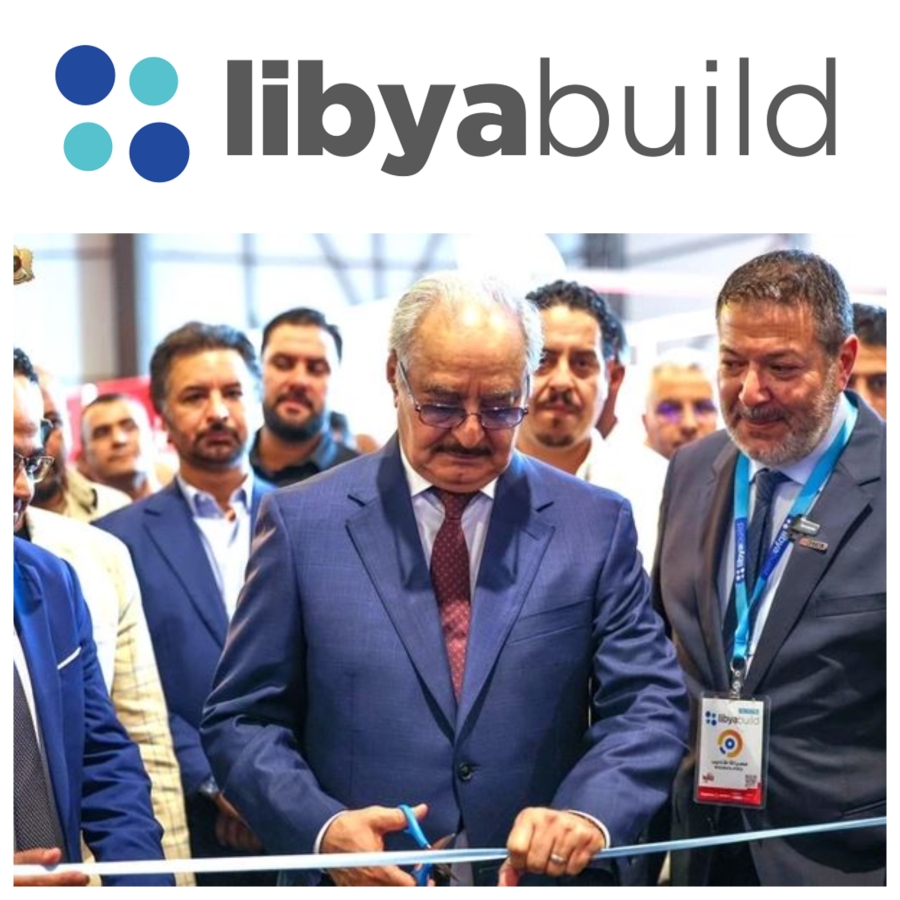
In the first decade of November Benghazi will be the stakeholder for fair events in Libya. Three major events Libya Build, Pharma Libya, and Food &Restaurant Show will be opened by F.M Khalifa Haftar on 4th Nov.2024 at 5 p.m.
A new Expo compound in Sidi Faraj St. will host the events with more than 300 international and local companies. The commercial marketing of Atex International and its partner Alwasl Event has reached the sold-out total available space. Benghazi, once again, proves to be a place of interest for the international community for its current and future projects.
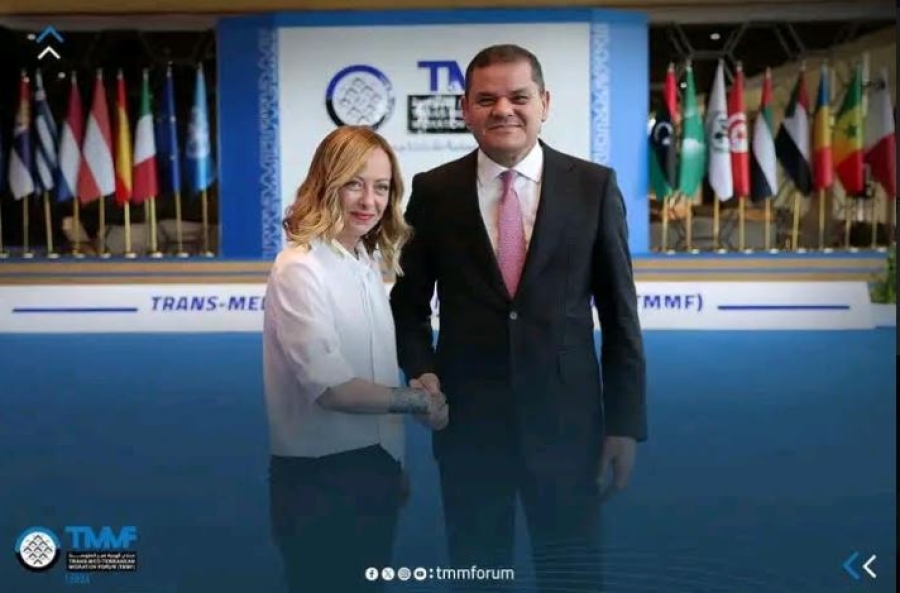
Italian Prime Minister Giorgia Meloni was for the second time in 2024 in Tripoli. During TMMF at Rixos Hotel, she announced the Libyan Italian Forum in October/November 2024.
A good chance for the Italian companies to meet the Libya counterparts. We hope and wish the official date will match the fair events in Benghazi on Nov.4th-7th.
Libya Build Benghazi-Pharma Libya-Food &Restaurant Show will be held at the Fair playground inside the Benina Airport
LIBYA HAS IT ALL, CAN’T THEY SEE IT… WHAT DO I NEED TO DO TO GET THE INTERNATIONAL COMMUNITY TO INVEST? – From a Libyan Perspective)
Mastering commercial competence, especially in the realm of international negotiations, is influenced by natural talent, educational foundation, direct involvement, and the intricacies of the specific industry engaged.
Those who have pursued formal business studies often find that their academic knowledge lays a solid groundwork for understanding commercial dynamics. However, it is the rich tapestry of practical, hands-on experience that hones skills. The depth and complexity of the chosen sector undoubtedly shape’s the learning curve. Intricate industries demand more in-depth knowledge and can extend the path to proficiency.
Mentorship, staying abreast of global market trends, building professional networks, and embracing both successes and setbacks as learning opportunities, can significantly fast-track growth. In the ever-evolving tapestry of commerce, adaptability and a commitment to lifelong learning stand as the pillars of success.
It is not uncommon for driven individuals to cultivate a robust commercial acumen within just a few years of deep, engaged experience in a dynamic business setting. Others may find the journey longer, yet equally rewarding. The pursuit of commercial savvy is indeed an enduring endeavour, rich with continual growth and development.
In Libya, the journey towards commercial maturity comes with unique challenges: transitioning from historical practices not aligned with the global commercial framework, navigating misperceptions in the international business arena, overcoming logistical constraints, and the need for a clear, transformative economic strategy. Nonetheless, Libya remains a land of untapped potential and a true commercial frontier.
The local business community doesn’t just have a role to play; it has the opportunity to reshape understandings and align with global systems that have proven effective. By embracing these structures, Libya can pave the way for a new chapter of economic integration and prosperity. The process may be complex, but the potential for reward is vast, promising a future where Libya stands as an example of commercial success.
INVESTMENT IS CRITICAL TO THIS…
THE IMPORTANCE OF ENGAGING AND ENTICING INVESTORS TO ENTER THE LIBYAN MARKET.
The Libyan market stands on the cusp of a transformative era where engaging international investors is more than an economic initiative – it’s a strategic move towards lasting prosperity and global market integration. Attracting investment to Libya goes beyond infusing capital; it’s about unlocking the nation’s latent potential and propelling it onto the global economic stage.
Libya should be beckoning investors with the promise of lucrative returns. The lure of high-growth prospects is not limited to the energy sector. Infrastructure, telecommunications, and agriculture also await foreign direct investments. Such an infusion of capital and confidence can diversify the economy beyond its traditional reliance on oil, fostering resilience and stability.
The impact of investment on job creation is significant. It’s an engine for employment, offering the Libyan youth avenues for career development and skill acquisition. This, in turn, cultivates a workforce adept and ready to contribute to the nation’s growth trajectory. Moreover, investors often introduce cutting-edge technologies and innovative practices that can leapfrog sectors into new levels of productivity and efficiency.
Investments are also the building blocks for critical infrastructure, without which an economy cannot thrive. Roads, telecommunications networks, and energy grids form the backbone of a vibrant economic landscape, one that can support business activities and improve the quality of life for all Libyans.
Drawing in foreign investors has the added benefit of strengthening Libya’s international ties. It’s a gateway to enhanced diplomatic relations and economic partnerships, paving the way for Libya to weave itself into the fabric of the global economy. This integration can herald stability and present Libya as a collaborative player on the international stage.
To entice investors, Libya must cultivate a business environment that offers stability and security. Transparent governance, a fair legal system, and investor protections are paramount in building the trust needed to attract and retain foreign investment. It’s about convincing investors that Libya is not just a place to invest, but a place where their investments will grow and thrive.
The presence of foreign investors also stirs competition, spurring innovation and efficiency among local businesses. This healthy competitive climate ensures that consumers enjoy superior products and services, enhancing the market’s dynamism.
In essence, the call to attract investors to Libya is a call to economic rejuvenation. It is an essential step towards a future where Libya can claim economic success and offer its citizens the benefits of a thriving, diverse, and integrated economy. But Libya has to do more, having natural assets, ideas, a young population and determination is not enough, Libya needs to convince International investors as to why they should come to Libya, it has to be a win-win position where both sides contribute and invest.
As a renowned investor once remarked, “Returns matter a lot—it’s our capital!”
LIBYA HAS GREAT ASSETS AND HUGE COMMERCIAL OPPORTUNITY. WHY CAN’T THE INTERNATIONAL COMMUNITY SEE THAT?
Libya’s considerable assets and commercial promise are acknowledged by many in the international community, yet this recognition is often overshadowed by a host of challenges. Political instability and security concerns loom large, creating an aura of risk that many investors are hesitant to embrace. The lack of a stable, transparent legal framework further complicates matters, leaving businesses guessing about regulations and the security of their investments.
Infrastructural deficits, particularly in non-oil sectors, signal a need for broader economic diversification and development. Meanwhile, issues of corruption and transparency act as deterrents, clouding the country’s true potential. The financial sector’s limitations in supporting business growth and the global misperceptions about Libya’s business environment add to the reluctance.
Moreover, Libya’s own narrative of its commercial prospects needs to be clearer and more compelling. The international community requires reassurance through a unified, strategic vision of economic reform and development that Libya is not only open for business but is actively fostering a secure and profitable climate for investment. With concerted effort to address these multifaceted issues, Libya’s significant opportunities can be brought to the forefront, attracting the investment and partnerships necessary for its economic renaissance.
“It’s not whether you’re right or wrong that’s important, but how much money you make when you’re right and how much you lose when you’re wrong.”
YOU NEED TO INVEST IN YOURSELF SO OTHERS CAN INVEST IN YOU!
In the realm of global commerce, it is very often a fact “it takes money to make money” and for Libyan businesses seeking to attract international investment, this means an initial focus on self-investment. Investing within lays the groundwork for showcasing a business’s potential and stability to the world, serving as a conduit for external funds.
Libyan companies stand at a crossroads where the opportunity for growth is vast, yet realisation of this growth is contingent upon their ability to demonstrate value, sustainability, and scalability to a global audience. This self-investment takes many forms: from enhancing operational efficiencies and adopting cutting-edge technologies to investing in human capital and ensuring robust corporate governance.
By channelling funds into their infrastructure, Libyan businesses can address any existing operational bottlenecks, thereby increasing productivity and positioning themselves as competent and reliable partners in the eyes of international investors. Advancements in technology not only streamline processes but also showcase a willingness to adapt and innovate — qualities that are highly prized on the international stage.
Investing in the workforce is equally crucial. Well-trained, skilled employees reflect a business’s commitment to quality and excellence. Moreover, adherence to best practices in corporate governance, transparency, and ethical dealings reinforces trust, a critical currency in international investment decisions.
For Libya, a country with untapped potential and a desire to diversify its economic portfolio, the impetus for businesses to invest internally cannot be overstated. It is through such self-fortification that Libyan businesses will signal their readiness for the global market, encouraging the international community to invest with confidence. As Libyan businesses flourish from within, they will not only contribute to the national economy but also attract the global investment needed to propel the country to new heights of economic success.
SO HOW DO I PROVE THE POTENTIAL OF THE OPPORTUNITY?
In simple terms – Demonstrate cost, RoI and a proven, validated, professionally produced Business case or feasibility study
It is imperative to justify why the international community should commit funds if local commitment does not! It is about demonstrating confidence and conviction in the project’s viability.
Investors will want to see this so that they can make strategic investments.
At a local level the following steps are essential:
Determine the precise investment requirement to achieve your goal—whether it ranges in the millions or billions.
Clearly identify the targeted sectors or products to attract specialised potential partners.
Offer assurances regarding the operational and commercial viability within Libya, detailing the financial and legal frameworks that underpin such investments.
Detail the physical and financial prerequisites, such as liquidity, profit repatriation, taxation, and expected ROI timelines.
Provide guarantees concerning the security of both human and capital assets involved in the project.
In addition, adherence to internationally recognised investment protocols and processes is paramount. These encompass:
A comprehensive understanding of local laws, investment policies, and regulatory frameworks.
An economic environment characterised by stability, potential for growth, and a supportive financial system.
Assurance of political stability to minimise investment risks associated with policy upheavals.
An in-depth market analysis that underlines consumer trends and potential return on investment.
Facilitated business operations for foreign investors seeking to establish partnerships.
Accessibility to essential resources, including skilled labour, natural resources, and logistical infrastructure.
A clear picture of the corruption landscape and its impact on business operations.
Knowledge of the incentives for foreign investment and any prevailing restrictions.
Currency stability and the assurance of financial repatriation without undue risk.
Cultural intelligence that guides business conduct and relationship-building practices.
Investing abroad demands diligent risk assessment and strategic planning to ensure favourable outcomes.
“If you’re seeking investment in a company, then you ought to be able to explain why in simple language that can be understood, and quickly enough so the investor won’t get bored.”
CONCLUSION
Investment is crucial because it fuels economic growth, creates jobs, drives innovation, and provides the capital necessary for businesses to expand and thrive. It’s the lifeblood of economic development, enabling societies to improve infrastructure, advance technology, and enhance the overall standard of living.
“KNOW WHAT YOU OWN, WHY YOU OWN IT, AND WHAT IT’S WORTH. THEN TELL ME”
JON HANCOCK
CHAIRMAN BRITISH LIBYAN ASSOCIATION
HEREFORD UK